Správně fungující alternátor je naprosto nezbytný pro napájení elektrického systému vašeho vozidla a dobíjení jeho baterie. Ale pokud se přepálí pojistka alternátoru, nabíjecí systém selže. Bez výstupu alternátoru se baterie rychle vybije a zůstanete uvězněni.
Ačkoli se zdá, že samotný alternátor selhal, skutečným viníkem může být spálená pojistka. Čtěte dále a zjistěte příznaky špatné pojistky alternátoru nebo tavné pojistky a kde se nachází, abyste mohli tento problém přesně diagnostikovat a opravit.
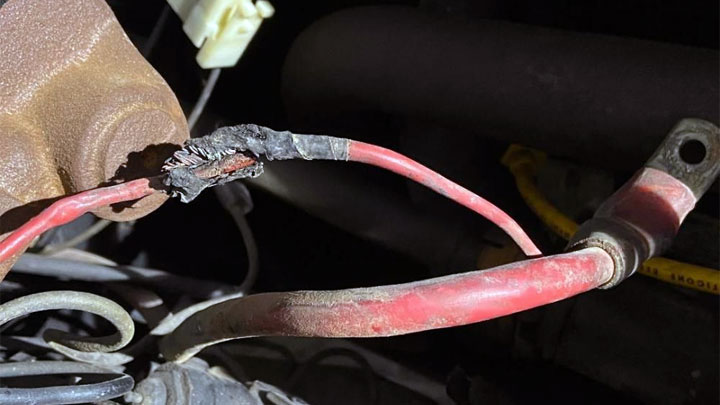
Příznaky spálené pojistky alternátoru
Spálená pojistka alternátoru může způsobit řadu sekundárních příznaků, z nichž některé mohou být dokonce natolik závažné, že nechají motoristu uvíznout podél silnice. Rozpoznání těchto potenciálních příznaků je nezbytné při pokusu o co nejrychlejší a nejúčinnější řešení problému.
Následuje několik nejběžnějších příznaků spojených s přepálenou pojistkou alternátoru. nebude
#1 – vybitá baterie

Pokud nastartujete své vozidlo a zjistíte, že vám chybí výkon, doporučujeme rychlou kontrolu tavné pojistky vašeho alternátoru. Spálená pojistka zabrání alternátoru nabíjet baterii vozidla tak, jak je navrženo, a tím ji vybije o veškeré užitečné napětí/proud.
#2 – Podivné elektrické problémy
Náhlý výskyt jednoho nebo více zvláštních elektrických problémů je dalším znakem toho, že v nabíjecím okruhu vašeho vozidla existuje problém. Pokud napětí baterie začne klesat z důvodu nedostatečného nabití, mnoho automobilových systémů může začít fungovat nevyzpytatelně.
#3 – Stmívání světel

Pokud si všimnete, že světla vašeho vozidla jsou slabá, může to znamenat poruchu nabíjecího systému. Zatímco ve hře může být řada problémů, neměla by být přehlížena přítomnost spálené pojistky alternátoru nebo tavné pojistky.
#4 – Kontrolka nízkého nabití
V případě, že se na sdruženém přístroji vašeho vozidla začne zobrazovat kontrolka „nízkého nabití“, bude téměř jistě na vině problém v okruhu alternátoru vozidla. Měla by být provedena rychlá kontrola kontinuity pojistky alternátoru vašeho vozidla.
#5 – Spálená, zlomená nebo zdeformovaná pojistka nebo tavný článek
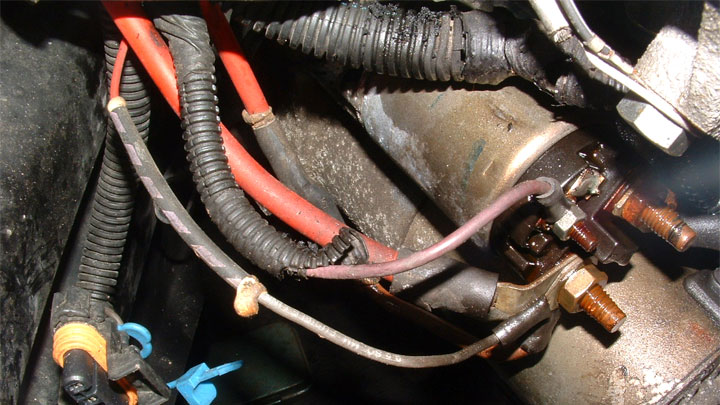
V mnoha případech lze pomocí rychlé kontroly fyzicky ověřit, že došlo k přepálení pojistky alternátoru. Samotný odkaz bude vypadat zdeformovaný, přerušený nebo spálený. Pokud však přetrvávají pochybnosti, stav tohoto tavného spoje lze ověřit pomocí digitálního multimetru.
Kontrolou kontinuity na protilehlých koncích tohoto propojení lze potvrdit spálenou pojistku. Nedostatek kontinuity by naznačoval selhání.
#6 – Zastavení
V nejzávažnějších případech může vozidlo skutečně zemřít během provozu v případě spálené pojistky alternátoru. K tomu dochází, když nabíjecí systém vozidla nefunguje a baterie se dostane do stavu vybití.
Když k tomu dojde, bude to vypadat, jako by někdo náhle otočil klíček postiženého vozidla do polohy „vypnuto“.
Fuse vs Fusible Link
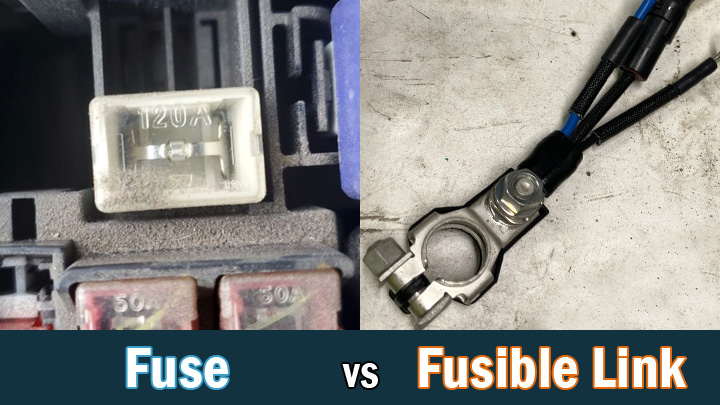
Mnoho motoristů, kteří to myslí dobře, si plete pojistky pro všeobecné použití a tavné pojistky. Když mluvíme o alternátoru nebo obvodu alternátoru, většina těch, kdo mluví o pojistce, ve skutečnosti mluví o tavné vazbě nabíjecího systému.
I když je pravda, že většina vozidel je vybavena inline pojistkou, která nakonec napájí jedno nebo více relé v nabíjecím okruhu, ve většině případů je mezi alternátorem a baterií také přítomna tavná pojistka.
Účelem tohoto specifického tavného spoje je chránit řadu systémů vozidel před potenciálně katastrofickými napěťovými špičkami. Bez takové ochrany by bodec této povahy mohl roztavit dráty, spálit inteligentní moduly nebo dokonce způsobit požár.
Tavné spoje jsou navrženy tak, aby se propálily a oddělily, což způsobilo otevřený stav v konkrétním obvodu, čímž se zabránilo dalšímu poškození elektrického systému.
Podle obecného pravidla bývají tavné spoje složeny z drátu, který je podstatně menší než ten, který se obvykle nachází v obvodu, který spojuje. To efektivně vytváří slabé místo, na kterém může dojít k řízenému selhání vodiče v případě, že by se měl projevit nadproud.
Než může být tento konkrétní okruh úspěšně znovu nabuzen, musí být vyměněna spálená tavná pojistka.
Kde se nachází pojistka alternátoru?
Ve většině případů bude pojistka řadového alternátoru vozidla nebo tavná pojistka umístěna mezi kladným výstupkem baterie vozidla a kladným kabelem alternátoru. Alternativně na některých vozidlech lze tuto tavnou pojistku nalézt mezi kladnými vodiči baterie a hlavním kladným spojem na pojistkové/spojovací skříňce vozidla.
Pokud vaše vozidlo používá standardní pojistku, bude obvykle umístěna v pojistkové skříňce v motorovém prostoru. Protože alternátor vyžaduje pojistku vysokého zesilovače, bude pojistka větší než vaše standardní nožové pojistky, které se používají pro menší elektrické komponenty, jako jsou koncová světla.
Co byste měli vědět o selhání startovací pojistky
Je důležité si pamatovat, že startovací pojistka vozidla se nespálí náhodně a bez příčiny. Aby k tomu došlo, musí dojít k výraznému napěťovému špičce nebo občasnému zkratu k zemi.
Z tohoto důvodu je důležité diagnostikovat základní problém, který způsobil vypálení pojistky alternátoru vozidla. Pokud tak neučiníte, může dojít k opakovanému selhání.
Vnitřní závady alternátoru a špatné zapojení obvodu mohou sloužit jako pravděpodobné základní příčiny spálené pojistky alternátoru. Za takových okolností může nadměrný odběr proudu způsobit nadměrné tepelné zatížení v postiženém obvodu, což může vést k popálení tavné pojistky.
Skokové startování vybité baterie je další běžnou příčinou spálených pojistek alternátoru. Nejčastěji k tomu dochází, když je baterie a nabíjecí obvody během startování překročena, nebo když jsou startovací kabely neúmyslně zkratovány k uzemňovacímu zdroji.
Za takových okolností poslouží pouhá výměna postižené pojistky jako životaschopná oprava, pokud ovšem znovu nenastanou takové přitěžující okolnosti.
Josh pracuje jako mechanik na plný úvazek více než 12 let a má za sebou 6 certifikací ASE (Automotive Service Excellence). Svou kariéru začal jako automobilový technik v místním dealerství Toyota a od té doby se specializoval na dieselová nákladní vozidla a zařízení.
Nejnovější příspěvky od Joshe Boyda (zobrazit vše)
- Proč svítí kontrolka VSA v mé Hondě nebo Acura? (a jak to resetovat) — 11. ledna 2024
- Kód P0711 (příznaky, příčiny a jak opravit) – 8. ledna 2024
- Berou obchody s autodíly opravdu váš použitý olej zdarma? — 5. ledna 2024

Where Is Alternator Fuse Located-Whether you have just bought a new car or you’ve had yours for a while, you’ll need to know where the alternator fuse is located. If yours is blown, it will mean that your alternator won’t be able to charge your battery, which could cause your vehicle to stop working.
Jak poznám, že mám spálenou pojistku alternátoru?
Often, when your alternator fuse blows, you can’t start your car. However, you can usually replace it without causing any damage to your car. The fuse is located in your fuse box. You may need to get a small screwdriver to open the cover of the fuse box.
You can buy a new fuse at your local auto parts store. One may also purchase a new one online. You can also find the fuse in your owner’s manual. The manual should include a diagram of where the fuse is located.
You can test the fuse with a multimeter. You should place the leads of the multimeter on one end of the fuse. Then, you should measure the wires on the other end. If there is a visible gap between the wires, the fuse is blown. When there is no resistance between the fuse terminals, the fuse is intact.
If you can’t replace the fuse yourself, you can call an ASE-certified mechanic to do the repair. Having your car serviced by an experienced mechanic will ensure that the repair is done right.
Where Is Alternator Fuse Located-Does the alternator have a fuse?
Getting an alternator fuse replaced is a relatively easy task. However, you should know where it is located before attempting to replace it yourself. You should be able to locate it by reading your car owner’s manual.
The fuse is a small metal strip that is carefully designed to prevent damage. A blown fuse will cause the battery to lose power and run out of juice. The fuse is also important to the alternator’s operation.
You can test the fuse by placing a multimeter near the fuse. A blown fuse can be caused by a loose connection or an excessive current draw. A blown fuse will cause the battery’s voltage to drop below 12 volts. This can result in a stalling vehicle.
The fuse is also important because it protects the battery’s wiring harnesses. These fuses can also help you identify if your alternator is functioning correctly.
The fuse will be located under the hood of your car. It is often located on the driver’s side. You can use a screwdriver to remove it.
Is there a relay that controls the alternator?
Depending on the type of car you have, the alternator fuse may be located under the hood, behind the glove box, or even under the steering wheel. To find the location, check your owner’s manual.
The alternator generates power to start the engine. It also charges the battery. When you turn the key in the ignition, the alternator automatically starts charging the battery. It is also responsible for powering many electrical accessories in your car. It can also malfunction and lead to strange behaviors.
If the battery light turns on when you start the car, the alternator fuse is probably dead. Besides replacing the fuse, you may need to have the alternator checked by an ASE certified mechanic. If the alternator does not start the car, it will need to be replaced. Where Is Alternator Fuse Located?
Another common problem is a short in the electrical system. This may cause damage to the electrical system and the ECU of the vehicle. To check for this, you can use a multimeter to check the voltage on the field coil terminals.

Can fuse make alternator not to work?
Having an alternator fuse blow can lead to problems with your car’s charging system. Not only does it prevent your alternator from charging your battery, but it also prevents your battery from storing energy. In addition to this, a blown fuse will make your headlights dim and flicker.
An alternator is a device that produces electricity from spinning a magnet inside a coil of wire. This electricity is then used to charge your car’s battery and power other electrical accessories. The alternator is also responsible for starting your car. When it fails, your car will stop running. This can be dangerous and could lead to damage to your vehicle.
When an alternator fuse blows, your car will not start. You may also notice a decrease in the voltage readings on your voltmeter. This can be caused by problems with your alternator, such as a bad voltage regulator.
If you think your car’s alternator is failing, you can have an ASE-certified mechanic inspect it. You may also need to replace the alternator.
What part most commonly fails in an alternator?
Usually, the most common part to fail in an alternator is the bearings. These bearings are responsible for allowing the rotor to spin freely inside the housing. These bearings can wear out over time, which can cause the alternator to seize or break.
Another common cause of alternator failure is oil leaks. If you notice oil leaking around the alternator, you should clean it out with a contact cleaner.
The drive belt on an alternator can also wear out over time, causing it to slip on the pulley wheel. This can cause the alternator to become undercharged or not charge the battery at all.
When an alternator isn’t working properly, it can cause issues with other car accessories. In addition, it can cause your engine to stall or cut out while driving.
The alternator can also fail if you have a problem with the voltage regulator. This voltage regulator is a device that sits on the side of the alternator. The voltage regulator pushes maximum current through the rotor. If you notice that the voltage regulator isn’t working, it may be damaged.
How can I start my car without alternator?
Having trouble starting your car without an alternator can be frustrating and dangerous. You need a lot of juice to start your engine, and without it, your car won’t get very far. You can either leave the car on the side of the road until it dies, or you can call for roadside assistance.
The best way to start your car without an alternator is to turn all of the electrical systems off. This includes your radio, heater, blower, and electric windows. You should also avoid using any heated screens.
If you have a bad alternator, you will have dim lights throughout the car. You may also experience flickering lights. These are visible when your headlights are on at night, and they can also be noticed when other things are drawing electricity. This is a sign that your alternator isn’t charging the battery properly.
Failing alternators can also cause a lot of other electrical problems, like dim headlights and frequent stalls. They may also cause your speedometers to stop working, and your dash lights to flicker. You may also notice an odd smell when you start your car.
Can a blown fuse cause alternator not to charge?
Usually, a car can still function without an alternator. However, a blown fuse in the alternator will prevent the car from charging the battery.
If you’re having trouble starting your car, a blown fuse in the alternator isn’t the only problem. The alternator may not be charging properly due to a faulty power cable or worn carbon brushes. Alternatively, the pulley may be seized and not turn freely.
If you notice that your car’s lights dim, or that your car starts to crank more slowly, you may have an alternator problem. An alternator not charging may be caused by a number of factors, but the most common reason is a faulty alternator. If you’re not sure why the fuse in your alternator has blown, you should get it checked by a mechanic.
Alternators in cars last about seven years. The lifespan depends on how much you drive and how well you care for your alternator. However, if you do have an alternator that has recently blown a fuse, you may be able to fix the problem yourself.
What Sends Power to the Alternator?
Besides the battery, the alternator is the main source of power for the car. It provides power to the car’s electronic components when the engine is running and when the car is in motion. It also supplies power to the battery when the engine is not running.
The alternator uses a system of pulleys to create a magnetic field, which in turn produces electricity. When the alternator then sends this power to the battery and the rest of the vehicle’s electrical system.
The alternator produces alternating current (AC) that is converted to direct current (DC) before leaving the alternator. The alternator also uses a voltage regulator to protect the vehicle’s electrical system. The voltage regulator shuts off the power to the battery when the voltage reaches a specific level. It also prevents power surges. The voltage regulator is typically mounted in the alternator housing.
The alternator’s components include a rotor and a stator. The rotor fits in the center of the stator. It has three sets of windings, each evenly spaced at 120 degrees. These windings are enamelled copper wires attached to the blades.
The stator is the part of the alternator that contains the conductive copper wiring. It also holds a fixed iron core. The stator and the rotor work as magnets. They rotate to generate alternating current, which is then transformed into direct current.
The alternator has a cooling fan to protect the internal components. A warning lamp circuit is also part of the alternator. It is connected to the run side of the ignition switch. When an abnormality is detected, the warning lamp will turn on.

Do You Need a Fuse Between Alternator and Battery?
Usually an alternator fuse is used to protect the alternator and battery from over current. A blown fuse can cause a number of problems, such as your lights dimming and your check engine light coming on.
To find out if you need a fuse, you should take a look at your car’s wiring diagram. You can do this with a digital multimeter. Then, measure the wires and load test them. If you find any shorts, you will need to replace the fuse.
If you have an alternator with a fuse, it will be located on the hot wire. You should also make sure that the alternator is free of corrosion and that the drive belt is in good condition.
It is important to use the right size fuse for your alternator. Generally, you will want to use a fuse that is 20% larger than the alternator’s output. This will prevent the wires from overheating and it will help protect the wires from burnout.
If you have a battery cut-off switch, you can isolate the main battery from the rest of the vehicle in the event of a problem. You should also make sure that the main feed from the battery is big enough.
You can also use a circuit breaker for some applications. However, these are often slower to react than traditional fuses and they will expose the circuit to overload currents for longer. If you use a circuit breaker, make sure that you never use it with sensitive electronic equipment.
Pokud byste chtěli vidět více o produktech, které doporučujeme.


