The clutch master cylinder compresses fluid to release the clutch. Here’s how to tell your clutch master cylinder is bad.
- Od Magnuse Selléna
- Aktualizováno: březen 2, 2023
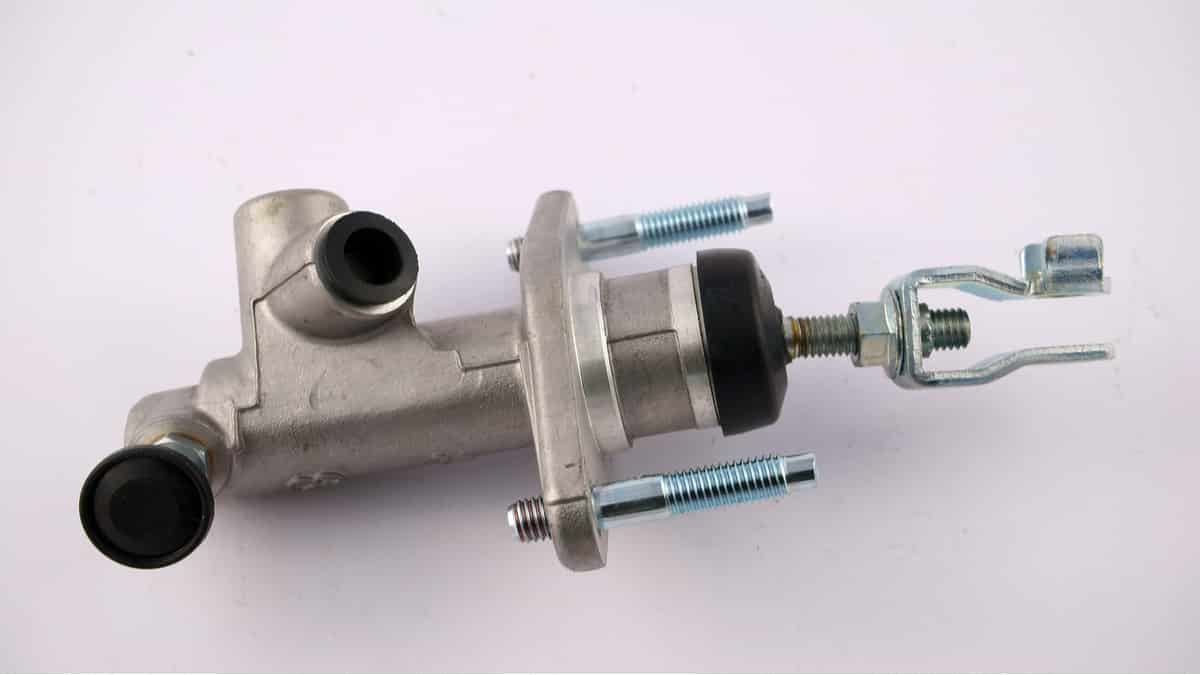
If you drive a vehicle with a manual transmission, chances are you have a clutch master cylinder. It’s a little-known component that has an extremely important job. But when you start to have problems shifting, it’s one of the first places you should look.
But what does a clutch master cylinder do, where’s it at, and how do you know when you need to replace it? Just as importantly, when you narrow down the problem to your clutch master cylinder, how much will it cost to replace it?
We’ll break down everything you need to know here. Let’s take a quick overview of which signs to look for.
Symptoms Of A Bad Clutch Master Cylinder
The most common symptom of a bad clutch master cylinder is a low clutch or brake fluid level due to a leak. It can also cause a soft or spongy clutch pedal or other issues with the clutch pedal. Sometimes, it can cause the clutch pedal to stay on the floor.
Here is a more detailed list of the signs of a bad or failing clutch master cylinder to look for:
1. Low Clutch Fluid
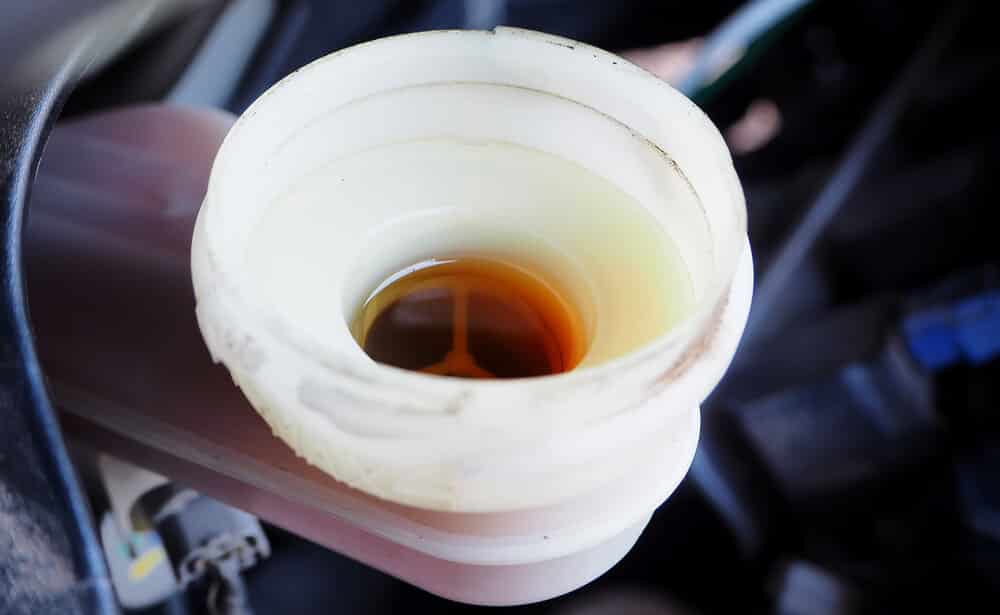
No, we’re not yanking your chain; clutch fluid is a real thing. And if you’re looking in the clutch fluid reservoir, the fluid should always be at the same height. Otherwise, you have a problem somewhere in the system, and the most likely culprit is a leaking clutch master cylinder.
In many car models, the clutch master cylinder uses the brake fluid, so they use a shared reservoir. Therefore, if you can’t find the clutch fluid reservoir, it is most likely using the brake fluid.
2. Soft or Spongy Clutch Pedal
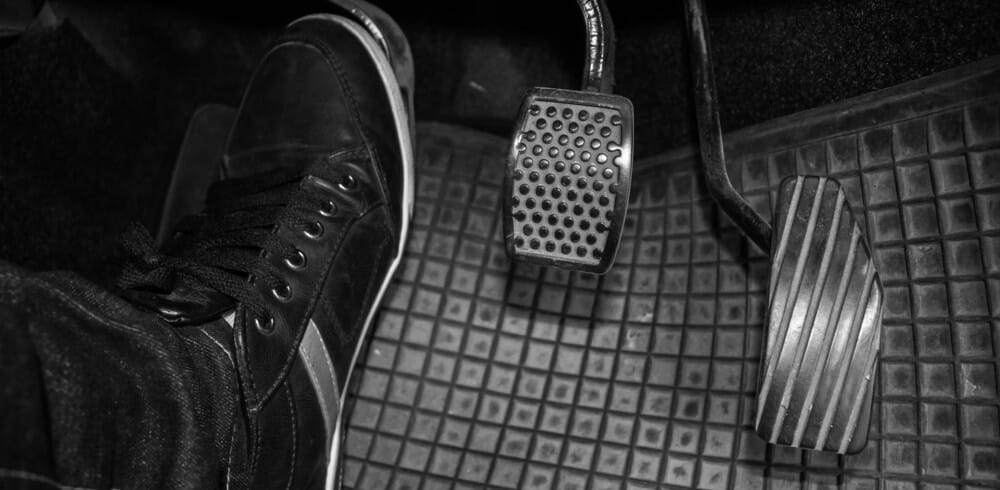
Your clutch fluid is like your brake fluid in that if it feels spongy or soft, you have water or air in the system. Moisture in a hydraulic system is a killer, and with clutch fluid, there’s no reason that it should ever be there.
So, if you have a soft or spongy clutch pedal, that means there’s a leak somewhere in the system. One of the most likely culprits is the clutch master cylinder.
3. Your Clutch Engages at a Different Point
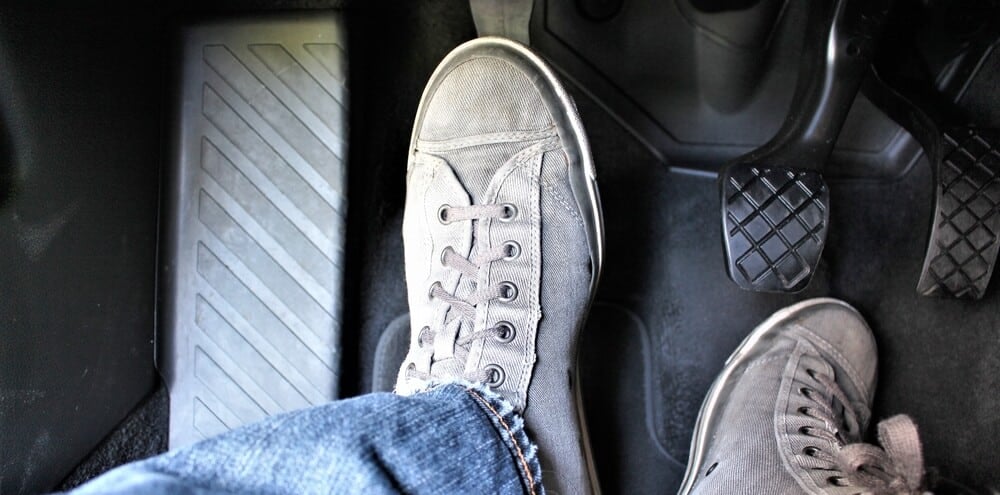
If your clutch fluid has dropped dramatically, then it’s likely that your clutch is going to engage at a different point too. The usual result is that you’ll have to fully depress the clutch pedal to disengage the clutch, which is typically far different than your usual engagement point.
Not only can it change the engagement point, but it can also do it over a short period of time. That means you might not have any problems on your way home from work, but when you hop in the car the next morning, you might stall it out a few times while you try to figure out what’s going on.
If that’s happening, take a look at your clutch fluid and make sure you still have enough.
4. Dark Clutch Fluid After Changing It
Clutch fluid will wear out and break down, so if you have a vehicle with over 100,000 or 200,000 miles and notice that the clutch fluid is a little dark, this is entirely normal. Go ahead and flush the fluid and see if that fixes your problem.
But if you check your fluid a few thousand miles after you changed it and it’s already getting darker, this is a sign of a bigger problem. Normally, it’s the gasket and seals in the clutch master cylinder breaking down. Not only are these contaminants creating a problem, but chances are your clutch master cylinder is leaking too.
5. It’s Hard to Depress The Clutch
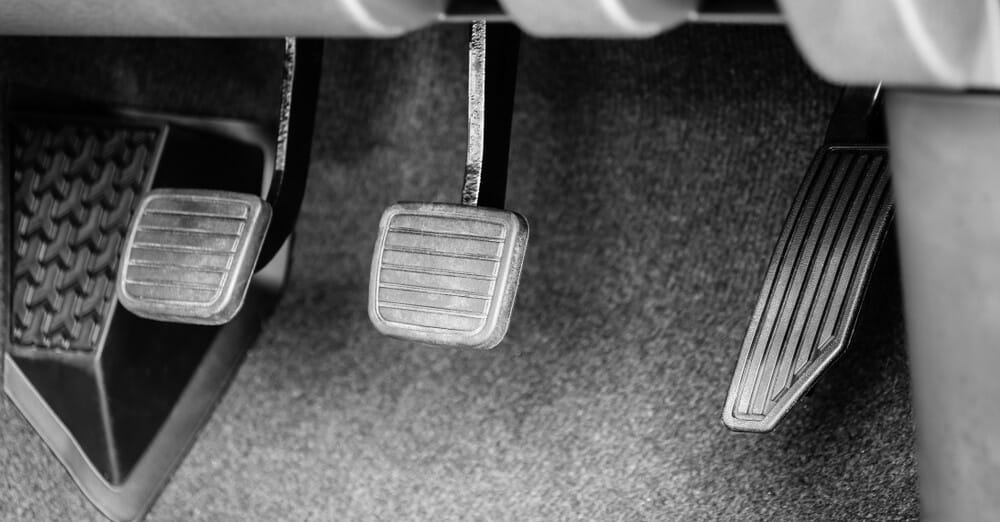
The entire purpose of the clutch master cylinder is to help you disengage the clutch. So, it makes sense that if your master clutch cylinder is leaking, it will get harder to depress the clutch. In fact, if the leak is bad enough, you won’t be able to disengage the clutch at all!
6. The Clutch Pedal Is Stuck to the Floor
If you find that your clutch pedal is stuck to the floor, you’ve lost the hydraulics in your clutch system. The most likely cause is a massive leak in your clutch master cylinder. If this happens, you’ll need to make repairs immediately, as you won’t be able to shift with a stuck clutch pedal.
Clutch Master Cylinder Function
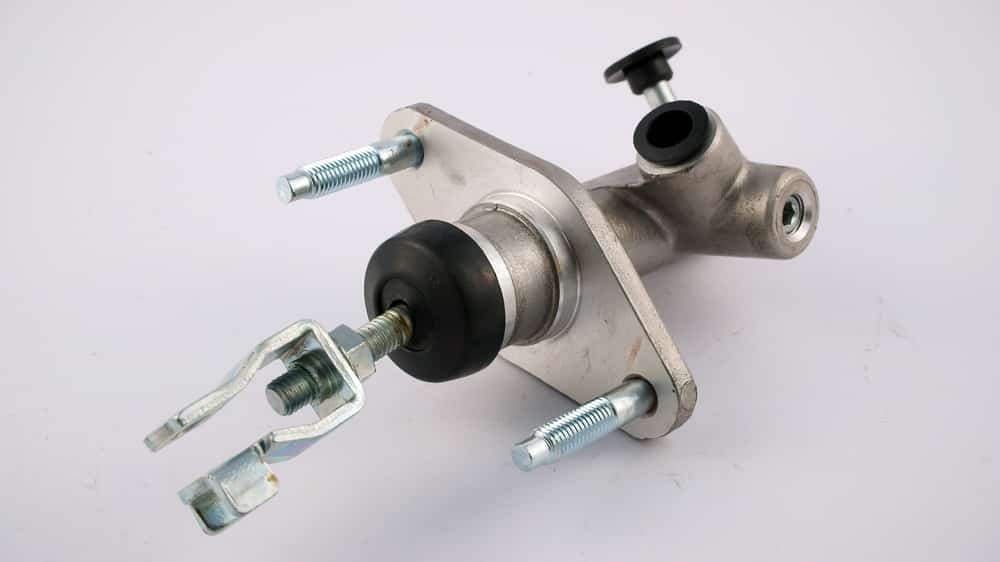
The clutch master cylinder is the chamber where your vehicle pushes the clutch fluid to help you disengage your clutch. There is a pushrod on one end of the cylinder, and when you depress the clutch, you push this rod against the clutch fluid, which pushes it to the slave cylinder and eventually to the clutch fork in the transmission.
The clutch master cylinder is what transfers the force of you pushing down the clutch pedal to the transmission!
Clutch Master Cylinder Location
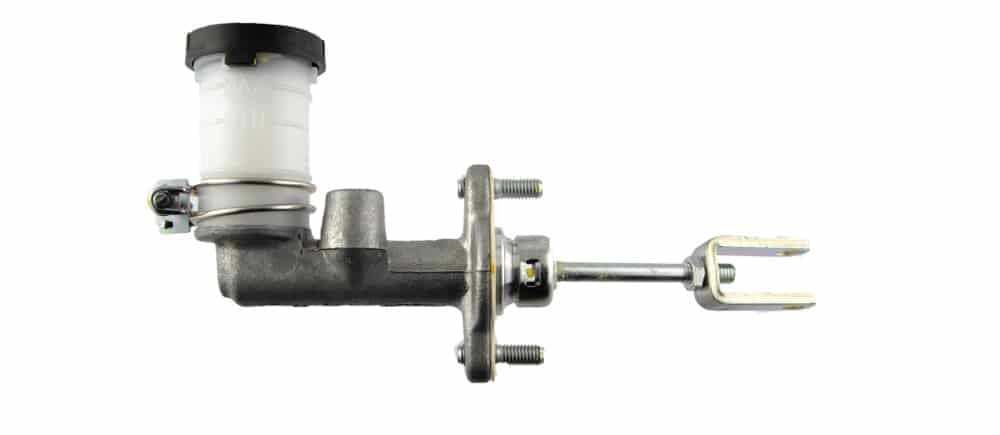
Your clutch master cylinder is typically located in front of the clutch pedal but on the other side of the firewall in the engine bay. You can often find it close to the brake master cylinder.
Typically, the clutch master cylinder directly connects to the clutch pedal via a pushrod, so if you draw a straight line from your clutch pedal into your engine bay, you’ll usually find the clutch master cylinder.
Clutch Master Cylinder Replacement Cost
The average clutch master cylinder replacement cost is between $200 and $350. But if you’re looking to save a little money, you can do it yourself for anywhere from $60 to $150.
However, these costs will vary depending on the type of vehicle you drive and where you take it for repairs.
For starters, you’ll need to purchase a new clutch master cylinder. An aftermarket clutch master cylinder usually costs between $30 and $60. However, an OEM part will usually cost more, which is where many additional costs come from if you take it to a dealership for repairs.
You’ll also need to replace the clutch fluid, which usually consists of brake fluid. This is a small cost, but you’ll need to factor it in.
Finally, if you’re not completing the repairs yourself, you’ll need to factor in labor. The clutch cylinder isn’t in a terrible spot, but it’s still going to typically cost anywhere between $150 and $200 for labor.
While you can save a little money by completing the repairs yourself, if you’re not mechanically savvy, you risk introducing air or other contaminants into the system, which can affect your overall performance.
Unless you’re a mechanic or a serious DIY enthusiast, odds are good that you’ve never heard of a clutch master cylinder. But if your vehicle has a manual transmission, then your vehicle has one. Until this thing starts to wear down and stop working at full functionality, you probably won’t pay a bit of attention to it. As soon as you start having problems with your gears shifting, look for the seven signs that you have a bad clutch master cylinder.
What Does a Clutch Master Cylinder Do?
The clutch master cylinder is a chamber that pushes clutch fluid, which disengages the clutch. The clutch disengages so that gears may shift. A rod at one end of the master cylinder is pushed against the fluid, which moves the fluid into another cylinder.
The clutch master cylinder is close to the brake master cylinder. It may sound a little complicated but it’s actually a pretty simple mechanism. But when it stops working perfectly, your gears aren’t going to shift perfectly. or maybe even at all.
If your gears stop shifting as smoothly as they should, look for the signs that your master cylinder may have a problem that needs to be fixed. Listen, feel and visually inspect the engine, the clutch, and the master cylinder and you will begin to diagnose the problem, which means you’re already on your way to fixing it.
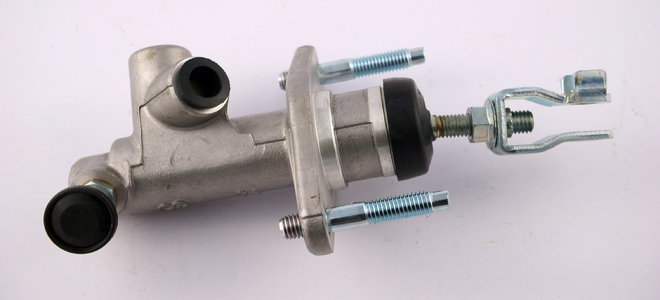
What Are the Symptoms of a Bad Clutch Master Cylinder?
It can be aggravating and a little frightening when your gears don’t shift smoothly. You don’t want them to lock up and put you in danger and you definitely don’t need the hassle and expense of getting a brand new transmission. But maybe the problem is the master cylinder, which isn’t a big deal to fix if you want to DIY the task.
Look for the symptoms of a bad clutch master cylinder and start diagnosing your transmission problem. Once you know how to diagnose clutch master cylinder problems, you can potentially save yourself lots of money when it comes to transmission repair.
1. Problems Shifting Gears
What you’ll probably notice first is that your vehicle isn’t shifting gears as smoothly as it should. It might feel jerky or sluggish or hesitate to shift gears. As soon as you notice a problem, you should find the time to look for the other symptoms that indicate a problem with the clutch master cylinder.
2. Nízká převodová kapalina
If you have a transmission problem when gears not shifting well, you should definitely check the transmission fluid. Check the fluid to see if it is low. If it is, top it off. Drive around a bit to see how the shifting on the car feels. Check the transmission fluid again and see if the level has lowered at all. The fluid should not go down. If it has, this is an indication that you have a leak.
3. Clutch Fluid Leak
You could have a clutch fluid leak. To find out, simply check the clutch fluid reservoir. You should be able to see some fluid in the reservoir and every time you look at it, you should always be able to see the same amount of fluid.
If you don’t see fluid or the fluid is getting lower, it’s likely that you have a leak in the clutch master cylinder. Don’t have a reservoir for clutch fluid? The master cylinder may use brake fluid for lubrication rather than dedicated clutch fluid. Check the brake fluid reservoir and check the level there to determine whether or not you have a leak.
4. Spongy Clutch
Does the clutch feel weird when you press it, almost spongy? If you notice a difference in the way the pedal feels when you press it, don’t take this lightly. You could have water or air along the transmission system somewhere. Moisture should not be in this part of the system, so this spongy feel is an indication of a leak.
5. Bad Clutch Timing
Is your clutch engaging and disengaging randomly, at different points when you push the pedal? A clutch that is working properly will disengage and engage gears at the same point every time as you push on the pedal. But if the fluid levels are off, you don’t know when that shift will occur during the pedal press.
You may have to push the pedal all the way to the floor for the shift to happen, which is typically an unusual occurrence.
6. Clutch Fluid Is Discolored
If you change the clutch fluid and it looks dark or discolored, don’t panic immediately. If you have an older vehicle or a vehicle with a lot of miles on it, say 100,000 or more, this is actually quite normal. Flush the fluid and replace it with new stuff. This could fix your shifting problem.
Check your fluid again or drive around a bit and see if the car’s shifting is still off. If the fluid darkens again after a thousand miles or so, or the shifting issue persists, you have a bigger problem than old fluid.
7. Clutch Feels Sticky
Does the clutch feel stiff? In other words, is it difficult to press down on the clutch or does the clutch feel like it’s sticking a little bit instead of quickly recovering from being pressed down? This is a definite sign of a fluid leak. You need to stop driving and address this problem right away.
The function of the clutch is too compromised for your safety at this point. Total clutch master cylinder failure could cause you to get into a serious problem.
Can a clutch master cylinder be bad without leaking? In most cases, if your clutch master cylinder fails, this is due to a leak of fluid or air somewhere along the clutch and transmission systems. Because these are closed systems, they are typically only compromised when outside air or fluid gets in.
What about air in clutch master cylinder symptoms? The symptoms of air leaking into the clutch master cylinder are the same signs you will notice with a fluid leak.
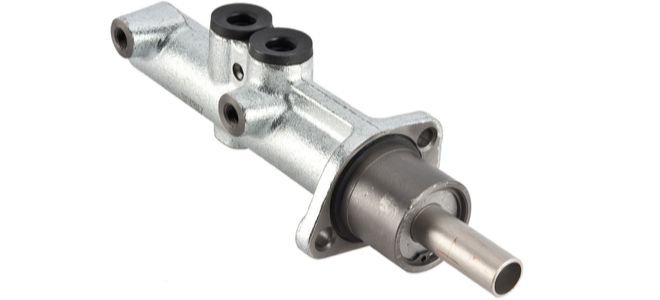
How to Test Your Master Cylinder
You should easily spot many of the signs of a clutch master cylinder failure. But. where is the clutch master cylinder? You’re going to need to put eyes on it if you’re going to fit it and you definitely need to find it if you’re going to check the fluid. So it’s very useful if you know where the clutch master cylinder is!
The master cylinder is in front of the clutch pedal. However, it’s on the other side of the firewall within the engine bay itself. Usually, it is close to the brake master cylinder. It often connects directly to the clutch pedal itself via a long rod. If you follow this rod, you should be able to local the master cylinder.
Have You Got a Bad Clutch Master Cylinder?
If the simple fixes, such as replacing the fluid, do not work, your next step is to replace the master cylinder itself. This is not a costly repair, particularly if you do it yourself.
Replacing the cylinder is not so difficult, particularly when you may be able to find online tutorials to help you along the way. Do the labor yourself and you will need to pay only for the part itself and new clutch fluid. Read this article to learn more about how to replace a clutch master cylinder.
If you aren’t used to working on cars or you aren’t great with DYI in general, you could end up doing more harm than good. Work slowly and precisely if you plan to do the repairs yourself, even if you are an expert DIYer. If something goes wrong, you could be looking at even more extensive repairs.
Diagnosing the clutch master cylinder isn’t difficult once you know what to look for and even replacing this part is not an impossible task. Look at the problem step by step and you’ll get your transmission shifting smoothly again.
Bad Clutch Master Cylinder FAQ
Jak víte, že máte špatný hlavní spojkový válec?
The master cylinder is responsible for providing hydraulics for the clutch of your vehicle and if it goes bad, there are some signs you will notice. The pedals might feel soft or spongy, or you may notice leaking fluid around the pedals.
The engine may also make grinding noises when you shift gears.
How do you test a clutch cylinder?
Usually, the master cylinder is in front of the clutch, next to the brake cylinder. Locate the master and slave cylinders and inspect the pipe between them to look for a leak.
Open the dust cover on both and look inside.
If you see hydraulic fluid, your cylinder may need replacing. Try bleeding the system to remove air and see if this fixes the problem.
What can cause clutch master cylinder to fail?
Hydraulic fluid is usually the source of the problem when the master cylinder fails. The fluid could be contaminated or the wrong fluid may have been added to the system.
The brake fluid could also be leaking, or the nut in the master cylinder push rod may be loose.
How many miles does clutch master cylinder last?
Not all cars are made equally, as some cars cost a great deal more than others and use different materials for engine parts, so it’s difficult to say exactly how long a clutch master cylinder should last. But on average, this cylinder will function well for 40,000 to 60,000 miles before it needs to be replaced.
With regular maintenance, the cylinder could last even longer than 60,000 miles.
Is it expensive to replace a clutch master cylinder?
Parts for a classic or high-performance vehicle will cost much more, but you can expect to spend around $300 to $500 for a new clutch master cylinder.


