Takže máte problémy s pneumatikami. Ať už je to díra v jedné pneumatice, trhlina v jiné nebo problém se všemi čtyřmi, pneumatiky je třeba vyměnit. Pokud je třeba vyměnit pouze jednu pneumatiku, můžete to udělat bez výměny dalších tří? Samozřejmě je to možné, ale je to špatné pro pneumatiky? Rovnoměrně opotřebené pneumatiky jsou nezbytné, ale jaká jsou pravidla a předpisy pro výměnu jedné nebo více pneumatik najednou? Musíte vyměnit všechny čtyři pneumatiky najednou?
Měly by být všechny čtyři pneumatiky stejné?
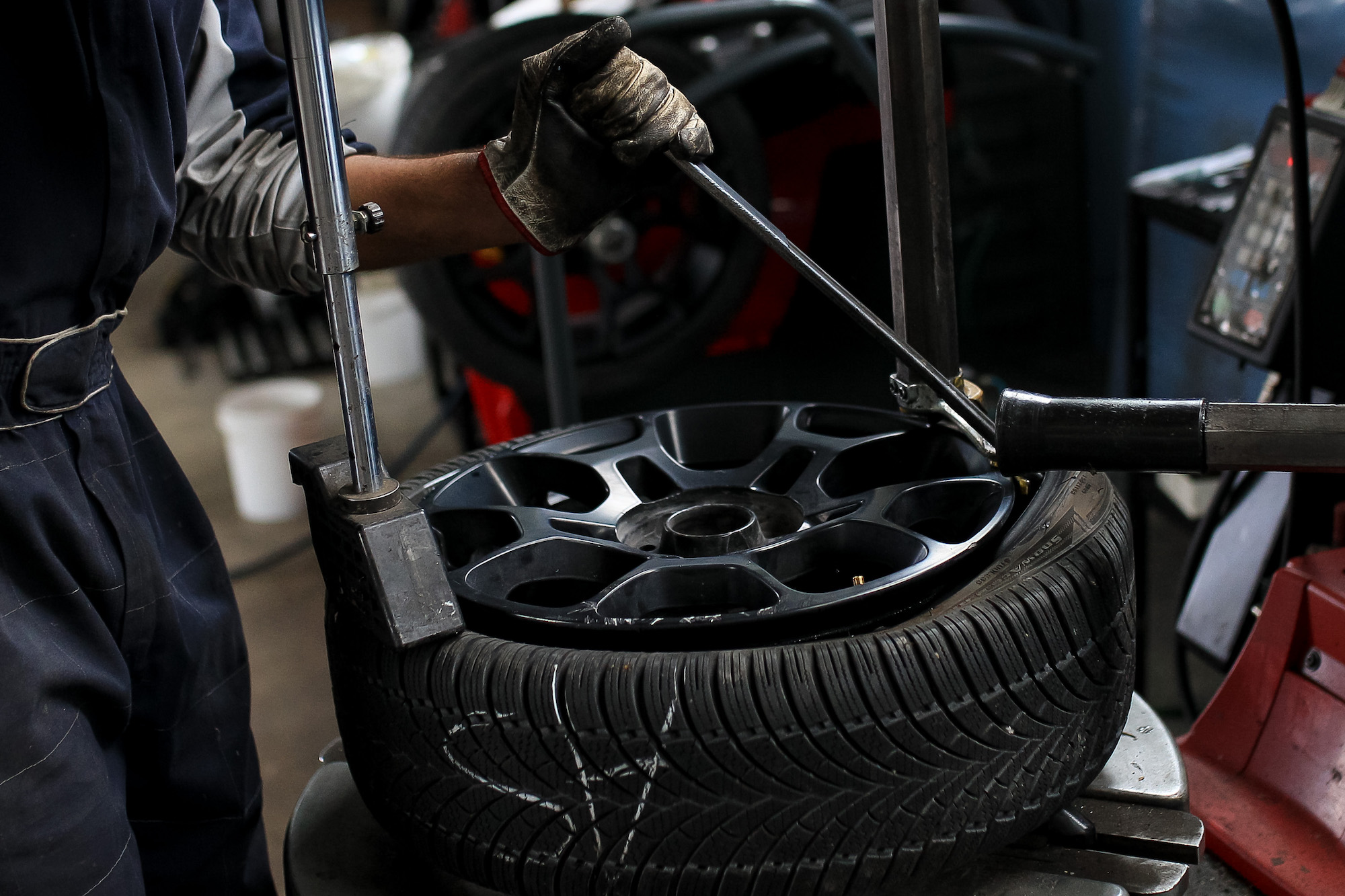
Podle Cars.com by měly být všechny čtyři pneumatiky v ideálním případě stejné. Nemáme na mysli pouze jejich montáž současně. Mluvíme ideálně; model, typ a stupeň opotřebení by měly být vždy stejné. Jednoduše řečeno, auto má čtyři pneumatiky a všechny se musí chovat stejně. Akcelerace, brzdění nebo jiné činnosti mohou být nevyvážené nebo dokonce nepředvídatelné, pokud se jedna nebo více pneumatik liší od ostatních. Poslední věc, kterou řidič chce, je špatná trakce a výkon, které jsou životně důležité v provozu nebo v situacích rychlého zastavení.
Obvykle se běhouny pneumatik měří pomocí 32 palců. Výsledkem je, že zbrusu nové se pohybují kolem 10-12/32 běhounů. Výměna pneumatik automobilu je nezbytná vždy, když je běhoun příliš nízký. Obvykle se považuje za čas vyměnit pneumatiky, když dosáhnou pod 4 nebo 5/32. Při výměně všech čtyř pneumatik řekněme, že se jedna z nových jednotek roztrhne a potřebuje vyměnit. Pokud jsou všechny čtyři pneumatiky sníženy na 10/32 z 12/32, je pravděpodobně v pořádku vyměnit pouze jednu pneumatiku. Pokud však ostatní tři pneumatiky měří 6/32, bude vaše vozidlo fungovat s jednou zcela novou pneumatikou velmi odlišně.
Můžete vždy vyměnit jednu pneumatiku?

Ačkoli novější, méně opotřebované pneumatiky mohou stále fungovat dobře s jednou výměnou, není tomu tak vždy. Cars.com uvádí, že někteří výrobci vozidel s pohonem všech kol doporučují vyměnit všechny pneumatiky. Navíc nové pneumatiky mají větší celkový průměr než ty použité. Výsledkem je, že i když chybí pouhých 32 hloubek dezénu, bude se pneumatika protáčet rychleji než nová, což by mohlo způsobit, že se systém AWD zapojí na suché vozovce. Navíc by mohlo dojít k poškození systému AWD a jeho oprava by stála mnohem více peněz než pár pneumatik navíc.
U vozidel s pohonem všech kol a pohonem všech kol by měly být vyměněny všechny čtyři pneumatiky. Bohužel to znamená, že jedna významná porucha pneumatiky má za následek nákladnou opravu. Vozidla s pohonem předních nebo zadních kol jsou jen trochu odlišná. Kontrola trakce a protiblokovací brzdový systém mohou způsobit problémy, pokud pneumatiky s nízkým vzorkem zůstanou na voze s novými. Problémem se navíc stane zatáčení a brzdění. U vozidel s pohonem dvou kol je lepší vyměnit pneumatiky, které mají společnou nápravu. Ať už je vůz s pohonem zadních nebo předních kol, vždy vyměňte obě přední nebo zadní pneumatiky společně.
Existuje levnější alternativa k výměně všech čtyř pneumatik?

Výměna pneumatik je nákladná záležitost. Zvláště je to hrozné, když je potřeba vyměnit pouze jednu pneumatiku. Než se dostanou do tohoto bodu, mohou majitelé udělat několik věcí. Nejprve vezměte své vozidlo k odborníkům na pneumatiky, abyste se ujistili, že jej nemohou opravit. Záplata, zástrčka nebo jiný nástroj na opravu může znamenat rozdíl a vydrží překvapivě dlouho.
Dále Cars.com říká, že někteří prodejci pneumatik mohou oholit běhoun nový. Výsledkem je, že nejnovější pneumatika bude i se staršími. Díky tomu bude vozidlo jezdit rovnoměrně, i když jsou dvě nebo tři pneumatiky staré a použité. Většina prodejců pneumatik má speciální stroj, který se o to dokáže postarat, pravděpodobně za příplatek, ale bude levnější než další tři pneumatiky.
There is no universal rule book when it comes to car ownership, so sometimes you have to turn to the next best thing: the internet. The Wrench blog has everything you need when it comes to car advice. Whether it be advice on how to buy a used car or when to replace your water pump, Wrench has it all. Wondering if you can get away with replacing only one of your tires after getting a flat? Changing all four tires is expensive and time-consuming, and you do not want to make a decision about tire replacement without assessing all options. Wrench is here to help you make an educated decision that could save you a lot of money. At Wrench, your safety is our top priority and we want to make sure that your car is in the best possible condition at all times. Schedule an appointment with a Wrench mobile technician today if it is time for new tires or contact our customer service department if you have any further questions. Here’s what we can tell you when it comes to replacing your tires:
- Evenly worn down tires create balance. When all tires have been worn down the same amount, the car is balanced when it comes to braking and accelerating. If one tire has significantly different tread depth, this can throw off the alignment and cause issues for the tire traction.
- Evaluate all tires. When deciding whether or not you can replace just one tire, it is important to check the status on all of the tires. Tread depth is measured in 32nds of an inch, and most new tires boast treads of around 10/36 to 12/32. If the tires have only lost 2/32 to 4/32 of their tread depth, you are most likely fine to just replace the one tire in question. It is extremely important to consult a Wrench mobile technician before you make this decision, so be sure to have them evaluate all tires for wear and tear. If the tires are any more worn than this, the tires run the risk of rotating at different speeds, which can cause significant issues with control and traction.
- AWD has different standards. Most manufacturers of AWD cars will tell you that ideally all tires should be replaced at the same time so that all tires have equal traction and diameter. Having tires with mismatched tread depths can damage the AWD system and could be potentially unsafe to drive. There may be information regarding changing tires on your specific vehicle model in the owner’s manual, so check there before consulting a mechanic.
- Replace with the identical model. If you do determine that you can replace just one tire, make sure the tire is the same model and size with identical tread patterns to avoid any other issues. Even the smallest of differences in tread pattern can affect the vehicle’s ability to function properly.
- Tires can be shaved down. Some tire dealers will shave down the new tire so it matches the tread depth of other tires on your car. Make sure to inquire about this practice and determine that the dealer knows what they are doing.
- It is better to replace the back tires. For steering and control purposes, replacing the back two tires is the best way to go. If one of the back tires gets popped, or you are in a financial pinch, you can also consider replacing just the back two tires. Again, consult your mechanic before making a decision like this, but it is an option.
- Take care of your tires! Last but not least, keeping your tires in good condition will help you avoid a situation where you have to replace just one tire. Make sure your tires are properly inflated at all times and consider rotating your tires on a regular basis (about every six months). Doing so will help prevent a tire popping or wearing down too quickly and could save you a lot of money in the long run.
We hope you are better equipped to make a decision about replacing your tires! This is a big decision and we want you to be as prepared as possible. Remember, having properly functioning tires is critical to your safety and the safety of everyone else on the road. Even if nothing appears to be wrong with your tires, it is important to monitor them as they get older and replace them all at a certain point. For more information on how to tell if it is time for new tires, click here. If you have any other questions about our services or using Wrench during a global pandemic, feel free to talk to our customer service team through email, at hello@wrench.com, or by phone, at 844-997-3624.
Tento příspěvek je také označen v:


